Fireplaces have long been a symbol of comfort and warmth in homes, especially during chilly winter nights. However, they often come with a cloud of misconceptions that can lead to unsafe practices and costly mistakes. Understanding these myths is crucial for homeowners who wish to maintain their fireplaces properly and ensure safe operation. This article will delve into some of the most prevalent myths surrounding residential fireplaces and illuminate the facts that every homeowner should know.
Myth 1: All Fireplaces Are the Same
One of the most common misconceptions is that all fireplaces function identically. In reality, there are several types of fireplaces, including wood-burning, gas, electric, and pellet stoves. Each type has its own unique maintenance requirements and operational characteristics.
For instance, wood-burning fireplaces require regular chimney inspections and cleanings to prevent creosote buildup, which is a significant fire hazard. Gas fireplaces, while generally cleaner and easier to maintain, still need periodic checks for leaks or malfunctions. Understanding the specific needs of your fireplace type is essential for safe usage and longevity.
Myth 2: You Don’t Need to Clean Your Fireplace If You Don’t Use It Often
Many homeowners believe that infrequent use means little to no maintenance is required. This myth can lead to dangerous situations. Even when not in use, chimneys can accumulate debris from animal nests or deteriorating materials.
Regular cleaning and inspection should occur at least once a year regardless of how often you light a fire. A professional chimney sweep can identify issues that an untrained eye might miss, such as blockages or structural damage in the flue. Neglecting these aspects can result in dangerous smoke backflow, potentially leading to carbon monoxide exposure.
Myth 3: Burning Certain Materials Is Safe
Homeowners sometimes think it's acceptable to burn materials other than seasoned firewood in their fireplaces. This includes items like cardboard boxes or treated lumber. In truth, burning inappropriate materials can produce harmful fumes and increase creosote buildup significantly.
Only burn seasoned hardwoods such as oak or maple for optimal heat output and minimal smoke production. Softwoods like pine can be tempting; however, they tend to create more creosote due to their resin content. Educating yourself on which materials are safe for combustion not only protects your home but also contributes positively to air quality.
The Importance of Proper Installation
Another aspect often overlooked is the installation process itself. Many believe that as long as there’s a chimney present, any fireplace can be installed without regard for specific guidelines or safety measures. Poor installation is one of the leading causes of fireplace-related accidents.
Every fireplace has specific installation requirements based on its type and local building codes. Improperly installed chimneys can lead to inadequate ventilation, increasing the risk of chimney fires or hazardous fumes entering your living space. Always consult with professionals who specialize in chimney repair in Cleveland Ohio or wherever you reside to ensure compliance with local regulations.
Myth 4: A Fireplace Doesn’t Need Regular Inspections
Some individuals think that if their fireplace looks fine from the outside, it must be functioning well internally too. This assumption could not be further from the truth. Regular inspections are critical for maintaining safety standards and ensuring efficient operation.
During an inspection, professionals assess various elements such as the condition of bricks and mortar joints, flue liners, dampers, and caps. Issues like cracks or corrosion may not be visible externally but could pose significant risks if left unresolved. Engaging services like Lewis Chimney and Masonry ensures that your fireplace remains safe for use throughout its lifespan.
Understanding Chimney Components
A basic understanding of chimney components is vital for effective maintenance practices. Key parts include:
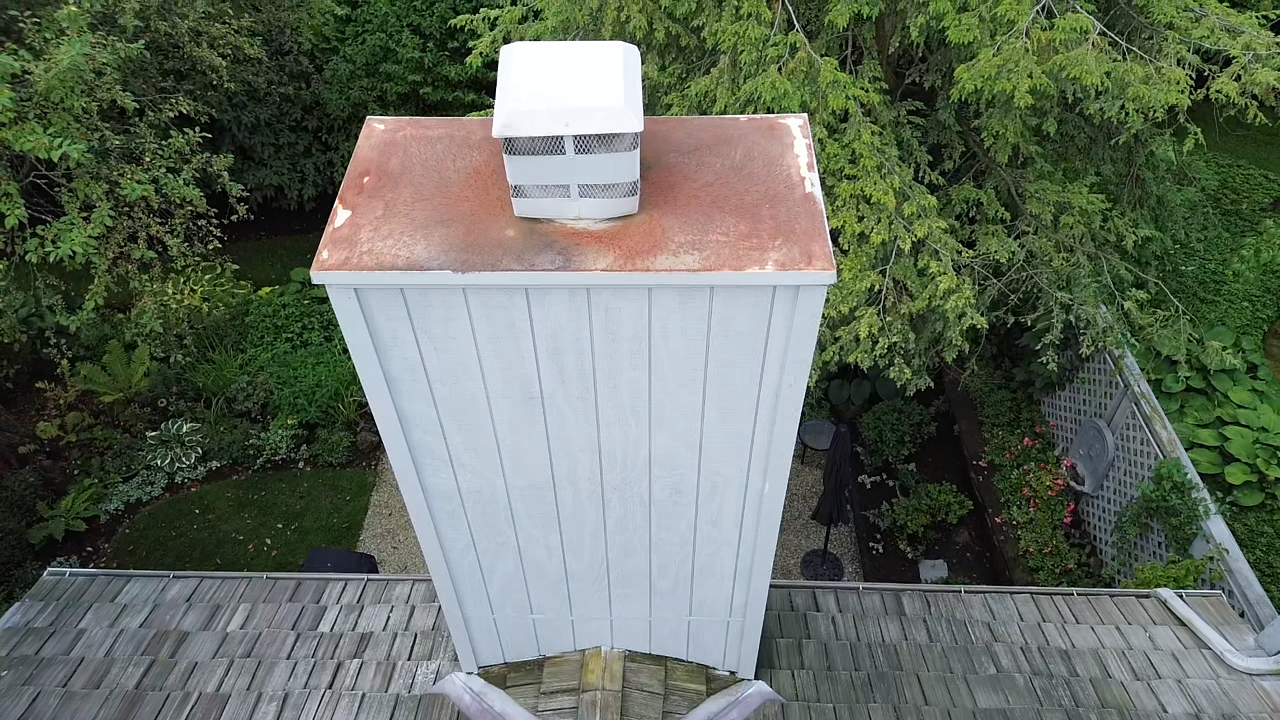
- Chimney Cap: Prevents rainwater from entering while allowing smoke to escape. Flue Liner: Protects against heat transfer between combustion gases and combustible materials. Dampers: Control airflow within the system. Smoke Shelf: Helps direct smoke safely out of your home.
Each component plays a pivotal role in overall functionality; thus regular checks are necessary for repairs or replacements as needed.
The Role of Professional Maintenance
While some homeowners may attempt DIY maintenance tasks like sweeping their chimneys themselves, this approach carries risks unless adequate knowledge exists about proper techniques and tools required for safe cleaning.
Professional services provide not just cleaning but also comprehensive evaluations of existing systems allowing experts to catch potential hazards Chimney cap installation Cleveland Ohio early on before they escalate into serious problems down the line—saving you both time and money in repairs later on.
Myth 5: Gas Fireplaces Are Maintenance-Free
Gas fireplaces tend to carry less stigma than wood-burning options regarding upkeep; however they too require attention over time despite appearing “cleaner.” Homeowners often forget about essential check-ups because they assume no ash cleanup translates into zero maintenance needs—a dangerous misconception!
Even gas systems must have yearly assessments focusing on vital components such as pilot lights ignition systems gas lines venting pathways etc., ensuring everything operates smoothly without any hidden dangers lurking within walls unseen until it’s too late!

The Cost-Benefit Analysis
Investing time into understanding proper care procedures alongside hiring certified professionals may seem costly upfront yet weighs heavily against potential losses incurred from neglectful behaviors down-the-line — including structural damage fire hazards health risks associated with poor indoor air quality all contributing towards spiraling financial burdens if ignored long enough!
Adopting preventative strategies minimizes risks while enhancing overall efficiency leading ultimately towards lower energy bills due reduced consumption over time thanks improved performance metrics achieved through diligent oversight practices!
Final Thoughts on Fireplace Safety
As we’ve explored throughout this discussion surrounding common myths related residential fireplaces along with their maintenance protocols it becomes clear why misinformation poses threats far beyond mere inconvenience alone! Prioritizing knowledge-based approaches empowers homeowners take charge ensuring safety comfort enjoyment derived from this cherished feature within homes remains intact regardless season weather conditions encountered year-round!
In summary investing effort into learning facts versus fables equips individuals navigate complexities associated household heating solutions effectively without falling prey complacency stemming misunderstandings around what constitutes essential upkeep responsibilities tied directly functionality longevity various heating sources employed throughout residences today!
Moreover relying trusted resources local experts available via platforms such Lewis Chimney Masonry guarantees peace mind knowing experienced hands oversee processes involved safeguarding families against undue risks posed by neglectful practices commonly encountered across many households nationwide!
Lewis Chimney and Masonry
Cleveland, Ohio, United States
+1 (440) 968-5092
[email protected]
Website: https://lewischimneymasonry.com/